Systems That Water Lawns Without Guessing
Irrigation Repair in Nampa for zones that skip, heads that leak, and controllers that fail
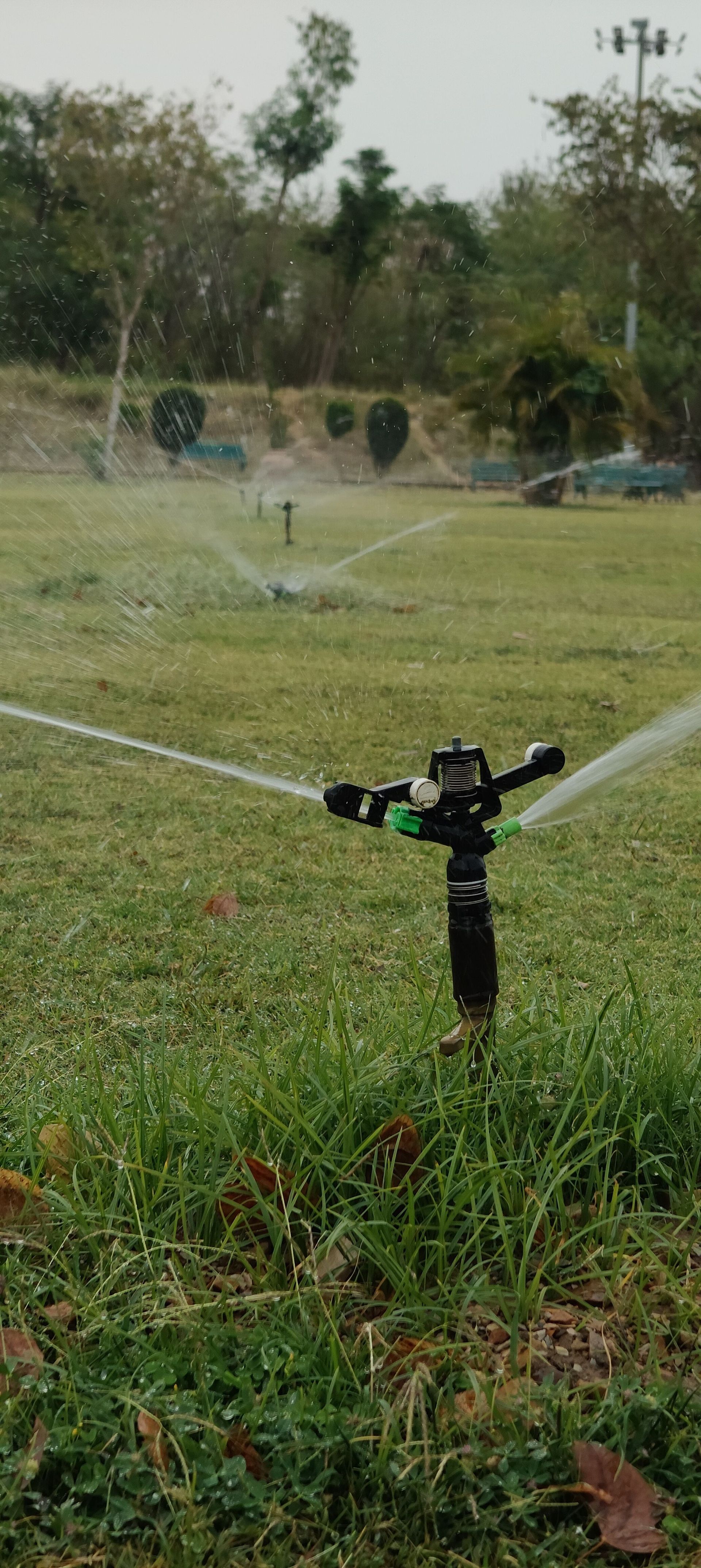
Southern Idaho summers create long stretches of heat and minimal rainfall, which means lawns and landscaping depend entirely on irrigation systems functioning correctly through June, July, and August. Double L & Company, Mobile Mechanic, Painting, & Handyman diagnoses and repairs problems within existing irrigation systems when zones stop activating, spray heads break or misalign, or water pressure drops across the property. You schedule service when brown patches appear despite programming or when water pools in areas that should remain dry.
Irrigation repair begins with identifying which components have failed or require adjustment—controllers, valves, lines, or distribution heads—and determining whether the issue stems from electrical signals, mechanical wear, or physical damage. Repairs restore function to the affected zones so water reaches intended areas at the correct pressure and timing.
Request an irrigation assessment to identify what is causing uneven watering or system failures before landscaping suffers further.
Why Reliable Watering Matters in Dry Climates
Diagnosing irrigation problems involves testing zone activation, inspecting visible components for leaks or breaks, and verifying that controller programming matches actual watering needs. Repairs may include replacing damaged heads, adjusting spray patterns, clearing blocked lines, or resetting valves that no longer open on schedule.
After repairs are completed, each zone delivers water evenly across its coverage area without dry spots or oversaturated sections. You notice that grass greens uniformly, water bills reflect efficient use rather than hidden leaks, and programming changes produce the expected results when you adjust run times or schedules.
Irrigation repair addresses failures within existing systems but does not include full design work or new installation unless scope expands beyond component replacement. Seasonal maintenance before spring startup prevents many mid-summer failures by catching wear before systems run under full demand.
Common Questions About Irrigation System Repairs
Irrigation concerns often involve visible symptoms like dry grass or standing water, but underlying causes vary depending on system age, installation quality, and how components respond to freeze-thaw cycles common in the Treasure Valley.
What causes irrigation zones to stop working mid-season?
Zones fail when valves stick due to debris or wear, wiring connections corrode, controller programming resets after power interruptions, or underground lines develop leaks that drop pressure below functional thresholds.
How do you locate problems that are not visible above ground?
Diagnosing hidden issues involves testing electrical continuity to valves, observing pressure at different points in the system, and checking for wet spots or unusual grass growth patterns that indicate subsurface leaks.
When should irrigation systems be checked before summer?
Systems in Nampa should be assessed in early spring before consistent heat arrives—testing while temperatures remain moderate allows time to source parts and complete repairs before lawns depend entirely on automated watering.
What repairs can be completed without replacing entire zones?
Many problems resolve through targeted fixes such as replacing individual spray heads, cleaning valve diaphragms, reconnecting loose wiring, or adjusting controller settings rather than excavating and reinstalling full zone lines.
How does hard water in southern Idaho affect irrigation components?
Mineral deposits accumulate inside valves and spray heads over time, restricting flow and causing uneven distribution—regular cleaning or replacement of affected parts maintains consistent performance across seasons.
Double L & Company, Mobile Mechanic, Painting, & Handyman provides irrigation repair for properties across Nampa and surrounding areas when watering systems need troubleshooting and component-level fixes. Share details about which zones are not performing correctly so the assessment addresses your specific concerns.