Walls Prepared for Consistent Finished Appearance
Drywall Repair in Nampa for cracks, dents, holes, and damaged interior surfaces before painting
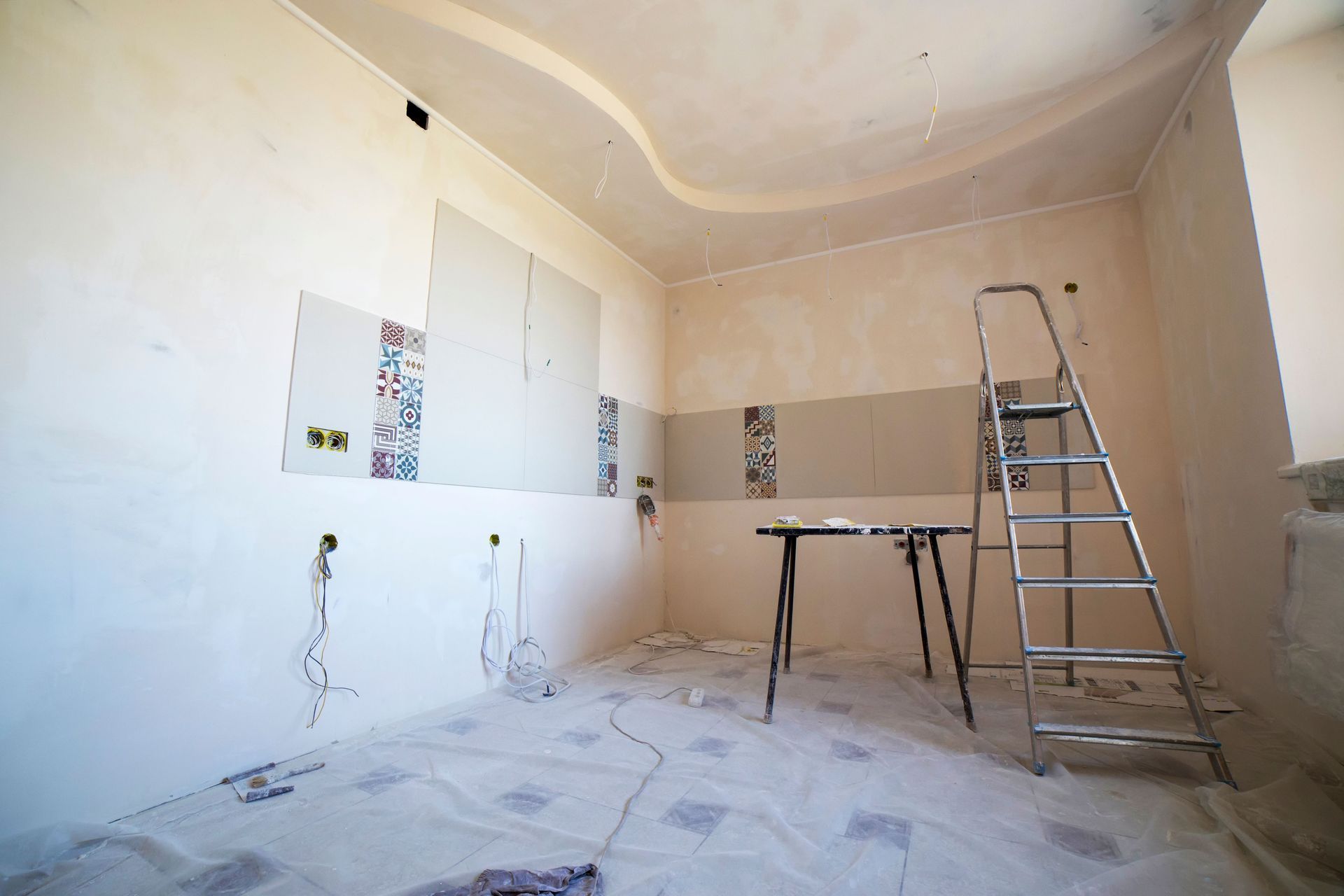
Drywall damage shows up as visible cracks along seams and corners, dents from impacts, holes from removed fixtures or accidental punctures, and compromised sections where moisture has weakened the gypsum core. You notice these issues when walls no longer present smooth, uninterrupted surfaces, when texture patterns are disrupted around damaged areas, or when painting over existing damage would simply highlight rather than hide the underlying problem. Double L & Company, Mobile Mechanic, Painting, & Handyman completes drywall repair throughout Nampa for residential and commercial properties, preparing interior surfaces so that subsequent painting produces clean, professional results instead of drawing attention to patched sections.
Repair work addresses holes by cutting back to solid material and installing backing or patches that restore structural integrity, fills dents and cracks with appropriate compounds that dry hard without shrinking, and sands repaired areas smooth so they blend seamlessly with surrounding wall surfaces. The goal is a finished surface where repairs are invisible once painting is complete, rather than sections that remain visibly different in texture or level from the rest of the wall.
Schedule an evaluation to identify damaged areas requiring repair and discuss coordination with painting for a finished appearance across entire rooms or properties.
What Changes After Repairs Are Finished
Drywall repair involves cutting away damaged sections, securing new material or patches to existing framing or backing, applying joint compound in layers that build up level with surrounding surfaces, and sanding everything smooth once the compound has fully dried. Proper preparation includes feathering compound edges outward so there's no abrupt transition between repaired and original surfaces, and matching existing texture patterns where walls have been textured rather than left smooth.
After repair and painting, walls appear uniform without visible seams, ridges, or depressions marking where damage was addressed, and you can run your hand across previously damaged areas without feeling transitions between old and new material. Light hitting the wall at an angle no longer highlights imperfections, and painted surfaces show consistent color and sheen rather than dull or rough spots where repairs absorbed paint differently than surrounding drywall.
Repair work is often completed as part of larger property maintenance or improvement projects, paired with painting to finish entire rooms rather than leaving patched sections unpainted, or scheduled before property showings where damaged walls would negatively affect appearance and perceived condition. The service addresses both the structural repair and the surface preparation required for professional-looking finished results.
Answers to Frequent Service Questions
Drywall projects throughout the Treasure Valley range from small single-hole repairs to addressing multiple damaged areas across homes and commercial spaces undergoing maintenance or tenant turnover.
What causes drywall cracks to reappear after repair?
Cracks often reopen when underlying movement continues due to foundation settling, framing shifts, or temperature and humidity changes that cause materials to expand and contract, meaning successful long-term repair requires addressing the movement source rather than just filling the visible crack.
How do you match existing wall texture after patching?
Texture matching involves replicating the original application pattern using similar tools and techniques, whether that's a specific spray texture, hand-applied knockdown finish, or smooth surface, and testing the match on scrap material before applying it to the repaired area.
When should drywall be replaced rather than patched?
Sections showing extensive water damage with soft or crumbling gypsum, large holes where surrounding material has lost structural integrity, or repeated damage in the same area require full replacement by cutting back to studs and installing new drywall rather than attempting surface-only repairs.
What happens during the sanding process after compound dries?
Sanding removes high spots and ridges in dried joint compound, feathers edges so repaired areas blend invisibly into surrounding surfaces, and creates the smooth base required for painting without visible transitions or texture differences between old and new material.
How does drywall repair coordinate with painting timelines in Nampa?
Repairs are completed first and allowed to dry fully before painting begins, which can take several days depending on compound thickness, humidity levels, and ventilation, meaning projects requiring both services need scheduling that accounts for drying time between stages.
Double L & Company, Mobile Mechanic, Painting, & Handyman assesses damage, completes repairs using methods appropriate for the size and location of each issue, and coordinates with painting when customers need finished surfaces ready for use or occupancy. Request an estimate covering repair scope and associated painting to restore damaged interior walls and ceilings to clean, consistent appearance.